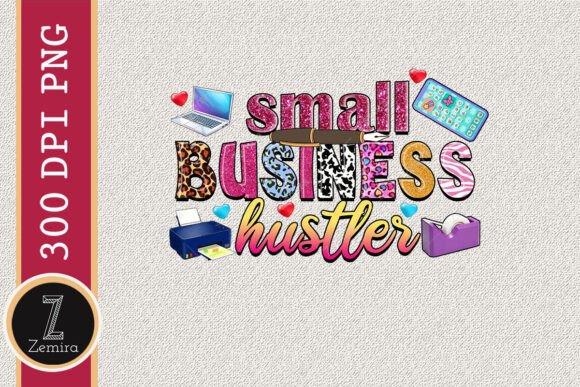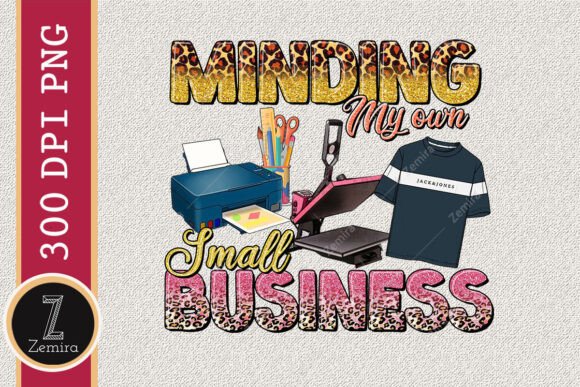
Minding My Own Small Business: A Guide to Digital Art for Creative Entrepreneurs
In today's fast-paced digital world, small businesses are finding innovative ways to stand out and connect with their audience. One such way is through the use of digital art, which has become a powerful tool for branding, marketing, and personal expression. The phrase "Minding My Own Small Business" encapsulates the essence of this journey—where creativity meets commerce, and where every detail matters. In this article, we'll explore how digital art, particularly high-resolution PNG files with transparent backgrounds, can be a game-changer for small business owners and creative entrepreneurs.
Understanding the Value of Digital Art
Digital art has evolved from a niche interest to a mainstream necessity. For small businesses, it offers an affordable and versatile way to create visually appealing content that resonates with customers. Whether you're launching a new product, designing a website, or creating social media posts, digital art plays a crucial role in conveying your brand's message effectively.
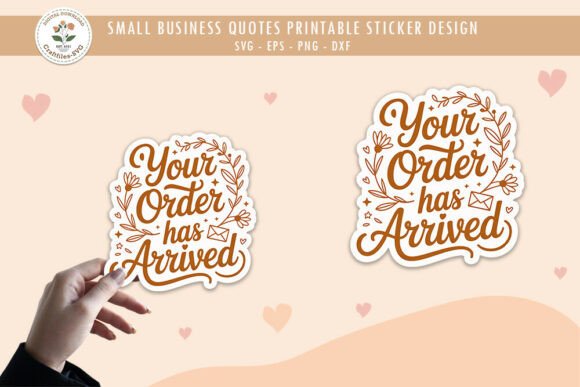
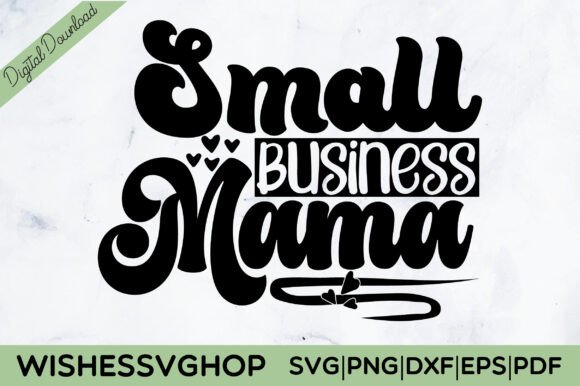
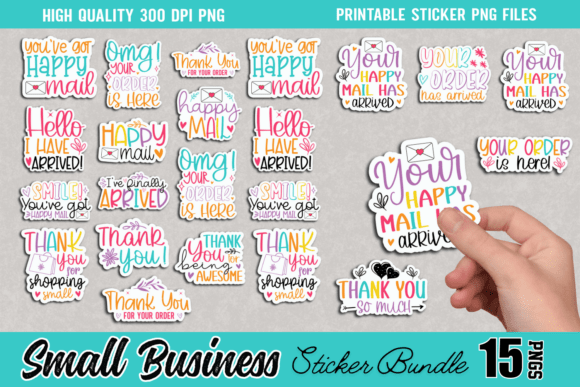
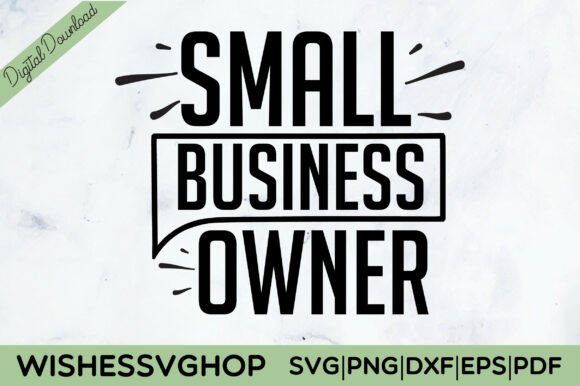
One of the most popular forms of digital art is the PNG file with a 300 DPI high resolution and transparent background. These files are perfect for printing on a variety of items, including t-shirts, mugs, cushions, key holders, phone covers, cards, and more. The transparency allows the design to blend seamlessly with any background, making it ideal for both digital and physical applications.
The Significance of High-Quality Digital Assets
When it comes to digital assets, quality is everything. A 300 DPI resolution ensures that your designs look sharp and clear, whether they're printed on a t-shirt or displayed on a screen. This level of detail is especially important for small businesses that want to maintain a professional image and attract a loyal customer base.
Moreover, a transparent background adds a layer of flexibility. It allows designers to place their artwork on any background without the need for additional editing. This feature is particularly useful for creating custom merchandise, as it eliminates the need for complex graphic design work.
Why Digital Products Matter for Small Businesses
Many small businesses rely on digital products to reach their target audience. Unlike physical items, digital products offer instant access, reduced costs, and limitless scalability. When you purchase a digital art file, you're not receiving a physical item—you're gaining a valuable asset that can be used across multiple platforms and projects.
This is where the "Minding My Own Small Business" philosophy comes into play. By investing in high-quality digital assets, small business owners can streamline their operations, reduce overhead, and focus on what truly matters: delivering value to their customers.
Practical Applications of Digital Art
The versatility of digital art makes it an essential tool for a wide range of applications. Here are some examples of how small businesses can leverage digital assets:
- T-Shirts: Custom-designed t-shirts can be a great way to promote a brand or event. With a transparent background, the design can be easily adapted to fit different shirt colors and styles.
- Mugs and Cushions: Digital art can be printed on mugs and cushions, allowing businesses to create unique, personalized products that appeal to a broad audience.
- Phone Cases and Cards: These items are popular among consumers looking for stylish and functional accessories. A high-resolution PNG file ensures that the design remains crisp and clear, even when printed on small surfaces.
- Marketing Materials: Digital art can be used in email newsletters, social media posts, and website banners, helping to build a cohesive brand identity.
How to Get Started with Digital Art
If you're a small business owner or a creative entrepreneur looking to incorporate digital art into your workflow, here are some steps to get started:
- Define Your Brand Identity: Before creating any digital assets, it's essential to have a clear understanding of your brand's visual identity. This includes your color palette, typography, and overall style.
- Invest in Quality Tools: While you don't need expensive software to create digital art, using reliable tools like Adobe Photoshop, Illustrator, or free alternatives like GIMP can make a significant difference in the quality of your work.
- Create a Library of Assets: Once you've created your first set of digital assets, organize them in a library so they can be easily accessed and reused across different projects.
- Stay Updated with Trends: The digital art landscape is constantly evolving. By staying informed about current trends and techniques, you can ensure that your designs remain fresh and relevant.
Common Misconceptions About Digital Art
Despite its many benefits, there are still some misconceptions about digital art that can prevent small businesses from fully embracing it. One common misunderstanding is that digital art is less valuable than traditional art. However, this is far from the truth. Digital art offers unique advantages, such as ease of distribution, cost-effectiveness, and the ability to experiment without the risk of wasting materials.
Another misconception is that digital art requires advanced technical skills. While some knowledge of design software is helpful, many tools are user-friendly and accessible to beginners. With practice and patience, anyone can create compelling digital art that enhances their business.
Conclusion: Embracing the Power of Digital Art
In conclusion, "Minding My Own Small Business" is not just about running a business—it's about being intentional, creative, and adaptable. By leveraging the power of digital art, small business owners can elevate their brand, engage their audience, and stay competitive in a rapidly changing market.
Whether you're looking to print a design on a t-shirt, create a social media campaign, or simply express your creativity, high-resolution PNG files with transparent backgrounds offer a flexible and effective solution. Remember, the key to success lies in understanding your audience, investing in quality, and continuously learning and growing.
So, take the time to explore the world of digital art, and don't forget to subscribe to stay updated on the latest creations and insights. After all, in the world of small business, every detail counts—and every piece of art has the potential to make a big impact.